In Times of Change, What Are Public Services Really For?
The Public Value Design Approach
When politics are defined by change, tech is advancing apace and the wider world feels unsettled, the temptation is to chase the next big idea. The leaders who deliver keep asking something simpler: what is the benefit for citizens?

Resources are strained, the world beyond our borders looks less settled than it did and (as I've written about recently) we are at the beginning of an AI general purpose technology revolution that will have far reaching impacts. It would be easy to spend a period like this reacting to each new shift as it comes.
But the people who depend on public services deserve better. A patient waiting for a diagnosis, or a family trying to get the right support, wants the same thing whoever is in office, and whatever tech stack is garnering headlines: they want a services that works. That is the real test, whatever the political weather. So the question worth holding on to is a simple one: what is the benefit for citizens?
Designing for Citizen Value
Our Public Value Design approach puts this simple question at the centre of everything we do. From there, we look at the whole system around the citizen, because in public services, if it doesn't work for everyone, it doesn't work. On top of that, nothing sits on its own. Several organisations usually share the same problem. Structures and processes have built up over years and can't be wished away. Incentives don't always point the same way. Real progress comes from engaging with all of that head on, and from designing around the people who actually use a service, including the ones who are easiest to overlook.
Countless projects have benefited from this way of thinking, but two recent examples come to mind. In the first, focusing on what citizens actually needed tipped the balance in favour of an open-source solution, free of the expensive extras that look fantastic in a deck but - per our research - didn't deliver on citizen expectations or needs. On another, key stakeholders couldn't afford to wait for everything to be perfect, so we built on a legacy system and delivered real improvements from day one. This came with tradeoffs of course, there are rarely easy answers in this space. But at least we've got a good question to start from.
Working this way for two decades, across health, government and beyond we've found that public services demand a particular approach. That is all the more true when so much is in flux. The leaders who make the most difference in moments like this are the ones who stay focused on public value and honest about the system they're working in. The politics will keep moving. What good public services are for will not.
If you'd like to talk about how this approach could work in your organisation, get in touch with Antonio at antonio.weiss@thepsc.co.uk. We'd be glad to talk.
Dr Antonio Weiss is a Senior Partner at The PSC and author of AI Demystified (FT/Pearson, 2025).
Latest News & Insights
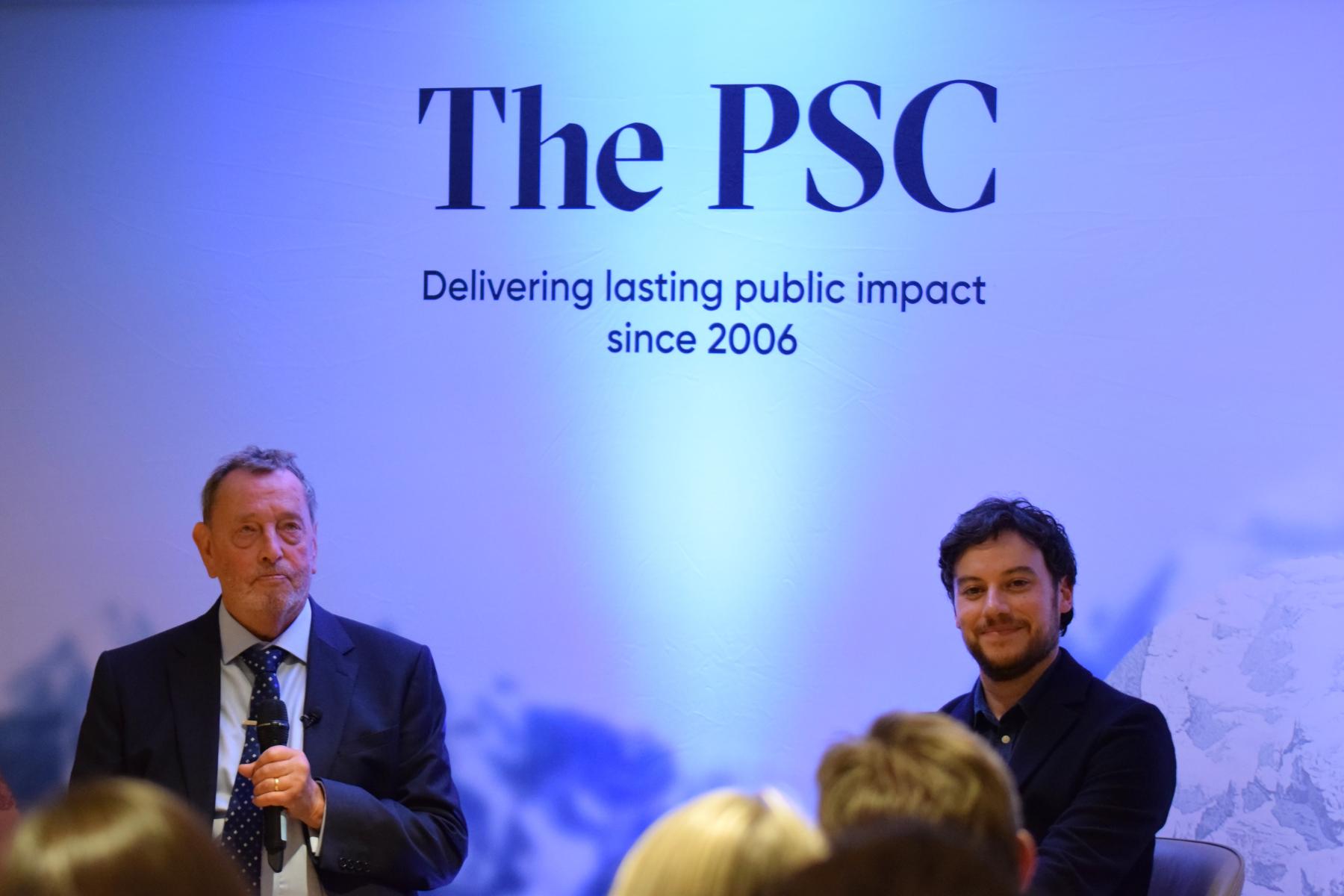
Building from the bottom up: Lord David Blunkett’s Kerslake Memorial Lecture
At our Third Kerslake Memorial Lecture, Lord David Blunkett explored devolution and the future of…
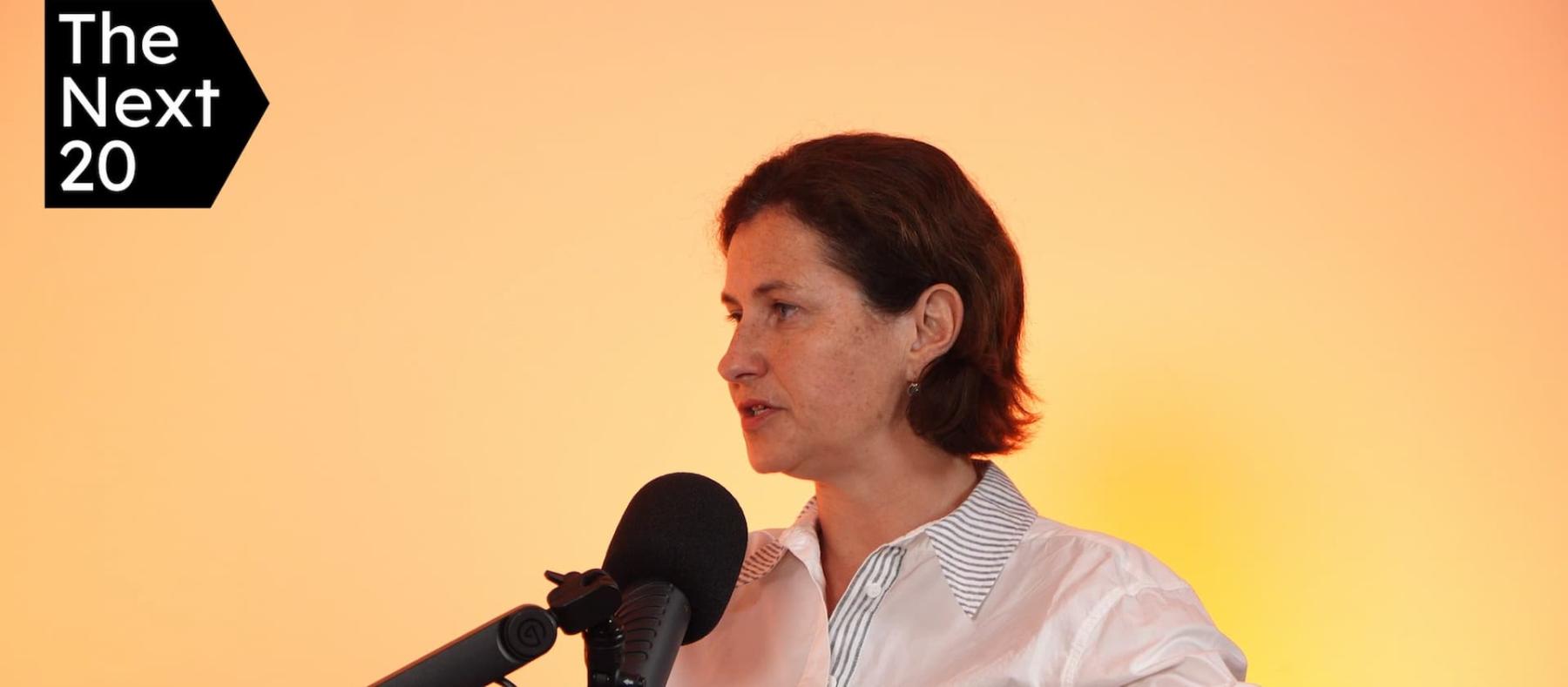
The PSC in Conversation: Turning health data and technology into better care
Caroline Cake, CEO and Co-Founder of Kneu Health and The PSC alumna, joins Antonio Weiss to discuss…

The PSC in Conversation: Putting people at the heart of their care: Patient editable access on the Universal Care Plan
Since patient editable access to London's Universal Care Plan launched through the NHS App,…