The PSC in Conversation: Can space and satellites transform education?
Alex Wates is joined by Carolina Torres, Dr Antonio Weiss and Dr Viktor Doychinov to explore how space and satellite technology could improve education, from connectivity and school estates to future skills, digital inclusion and learning.
Education is shaped by much more than what happens in the classroom. Access to technology, the condition of school buildings, changing labour markets and widening inequalities all influence how people learn and the opportunities available to them.
In the latest episode of The PSC in Conversation, Alex Wates is joined by Carolina Torres, Dr Antonio Weiss and Dr Viktor Doychinov to explore whether space and satellite technology could help address some of education's biggest challenges. The discussion ranges from connectivity and school estates to future skills, Earth observation and the changing relationship between education and work.
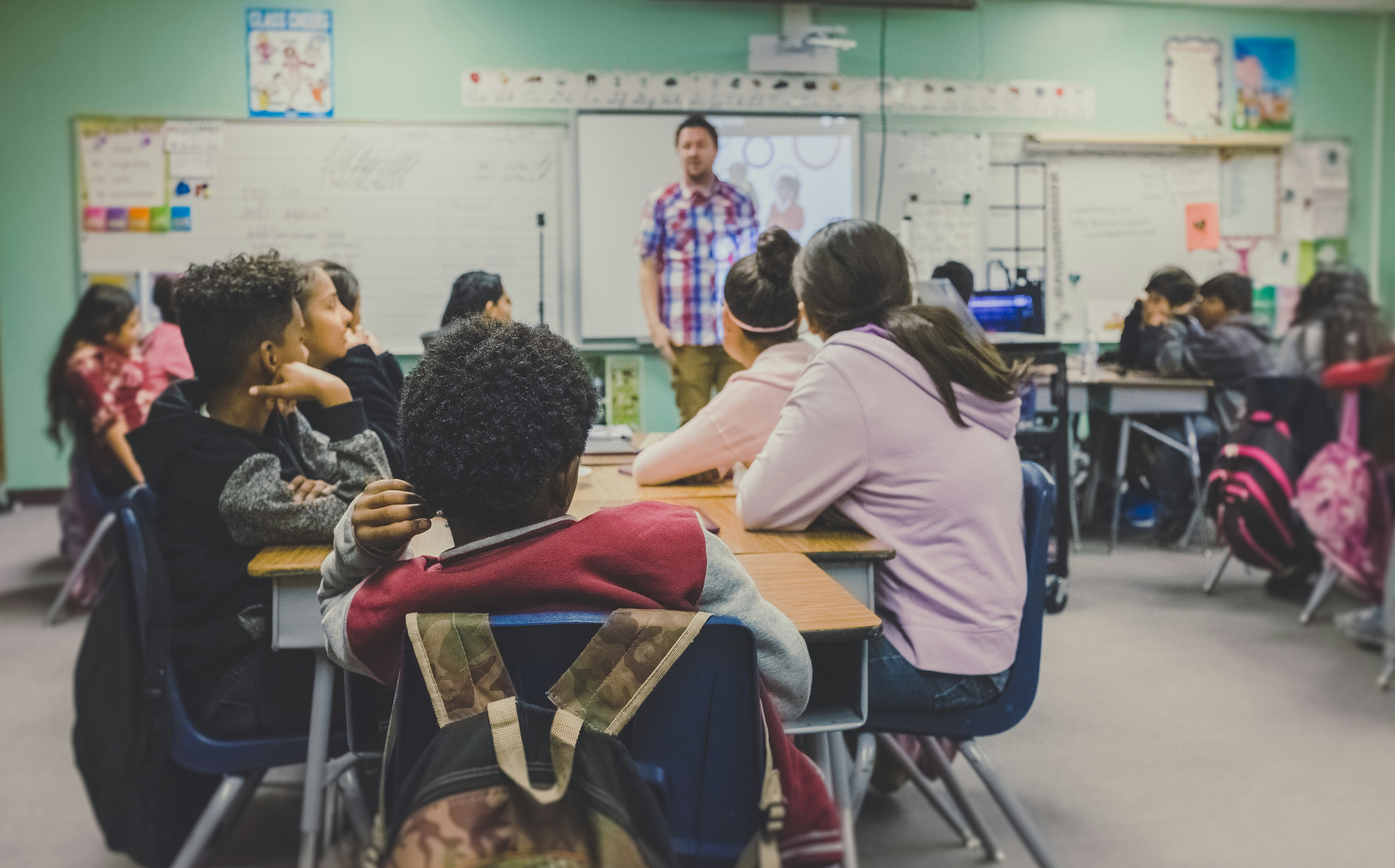
Tackling the digital divide
Early in the discussion, Alex asks where satellite technology could have the greatest impact on education. For Viktor, one of the clearest opportunities is connectivity. He explains that while satellites are unlikely to replace terrestrial broadband, they can help address some of the biggest challenges around widening participation, particularly in rural and hard-to-reach communities.
"Space... can address issues with widening access and participation."
The conversation explores how better connectivity could support virtual learning, specialist teaching and immersive educational experiences in places where reliable broadband remains a challenge.
Carolina builds on this later in the discussion, noting that connectivity is no longer simply about what happens inside schools.
"There is also home connectivity that has an impact in terms of how much a student learns."
She suggests that bringing together data on connectivity, deprivation and educational outcomes could help identify where targeted interventions would have the greatest impact.
Supporting schools beyond the classroom
The panel also discusses how Earth observation could support the day-to-day operation of schools. Viktor explains that satellite imagery could help monitor school buildings, identify maintenance needs and support estate planning at a national scale.
Rather than relying solely on inspections, Earth observation could help identify where roofs, buildings or surrounding infrastructure require further investigation, allowing resources to be targeted more effectively.
Antonio links this to The PSC's own experience of supporting organisations to manage physical estates, highlighting that data becomes most valuable when it helps people make better operational decisions.
The discussion then broadens to environmental data, including air quality and local conditions. Viktor suggests that making this information available to schools could help pupils better understand the environment around them while also supporting wider conversations about health, sustainability and climate.
Bringing different sources of data together
Throughout the conversation, the panel returns to the importance of combining different datasets rather than treating satellite information in isolation. One example is the potential to bring together information on connectivity, school performance, deprivation and geography to better understand where educational inequalities exist.
Alex reflects that this mirrors discussions from earlier episodes in the series, where satellite data becomes most valuable when it complements existing information rather than replacing it. The panel agrees that Earth observation is unlikely to provide all the answers, but it can offer another perspective that helps decision-makers understand patterns at a scale that would otherwise be difficult to achieve.
Preparing learners for the future
Towards the end of the episode, the discussion shifts from technology to people. Carolina reflects on the pace of change in the labour market and the need for education systems to equip learners with skills that remain relevant as technology evolves. Viktor agrees, emphasising that careers in space extend far beyond scientists and engineers.
"There is a lot of space in space."
From software developers and data analysts to designers, communicators and project managers, the sector depends on a wide range of professions.
He also highlights initiatives that connect young people directly with industry, helping learners understand how the skills they develop in school can translate into future careers. Antonio concludes by reflecting that the challenge for education is not simply teaching technical skills, but helping people develop the curiosity, adaptability and practical capabilities that will allow them to thrive throughout their working lives.
As the conversation comes to a close, Alex notes that many of the opportunities discussed are not about technology for technology's sake. Whether improving connectivity, supporting school estates or inspiring future careers, the discussion consistently returns to the same principle: using satellite technology where it adds genuine value and helps deliver better outcomes for learners.
The PSC exists to make public services brilliant. In our new podcast mini-series, we're exploring whether space and satellite technology can solve some of the public sector's biggest challenges. If you want to discuss any topics explored in this series further, get in touch with Phil Buckley – we'd love to have a conversation.
Latest News & Insights

NHS Planning Guidance 2027/28 : What trusts and ICBs should expect
What should trusts and ICBs expect from the NHS planning guidance for 2027/28? We look at…
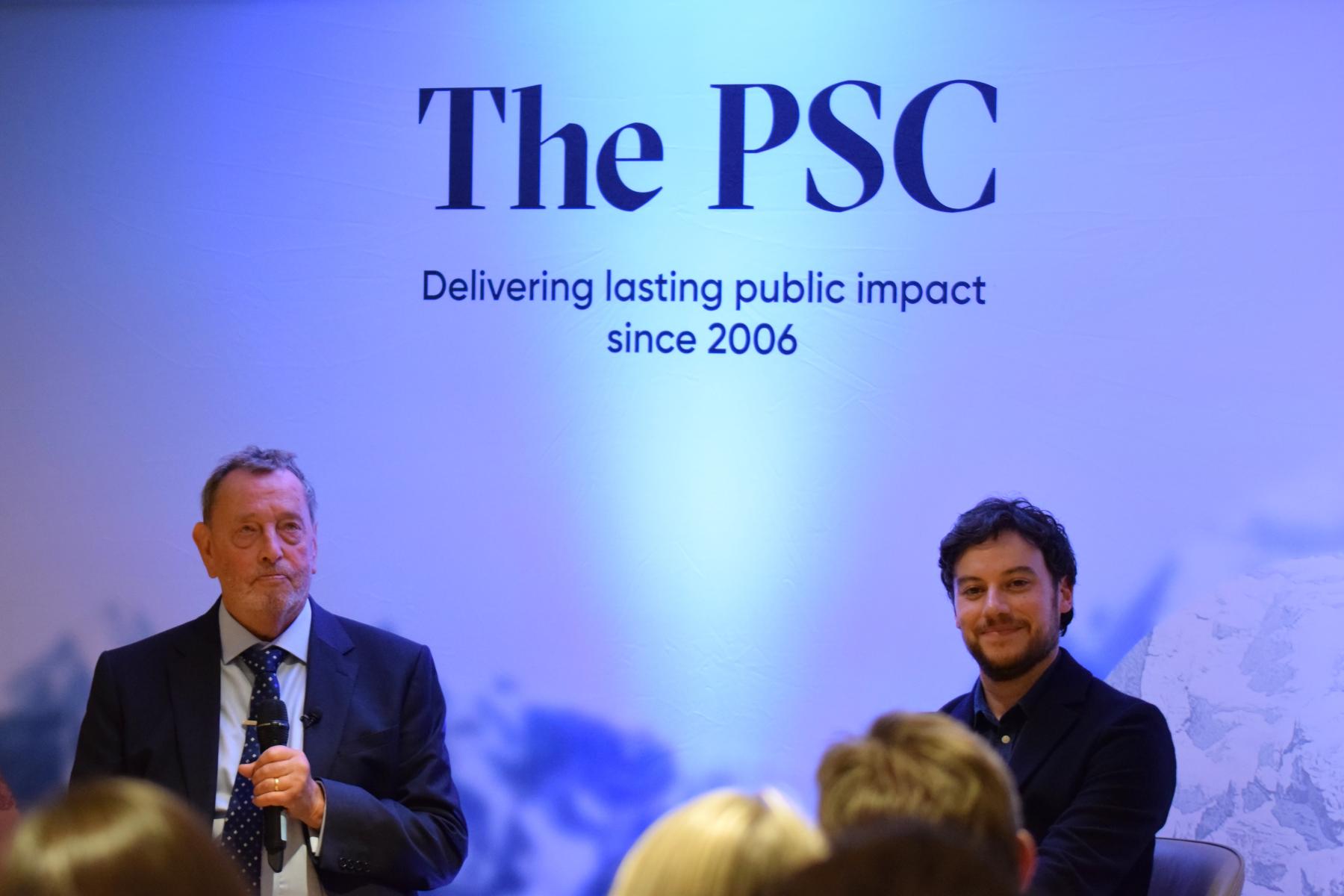
Building from the bottom up: Lord David Blunkett’s Kerslake Memorial Lecture
At our Third Kerslake Memorial Lecture, Lord David Blunkett explored devolution and the future of…
The PSC in Conversation: Turning health data and technology into better care
Caroline Cake, CEO and Co-Founder of Kneu Health and The PSC alumna, joins Antonio Weiss to discuss…