The PSC in Conversation: Can we rely on space?
As we launch a new podcast series exploring how space and satellite technology can help solve public sector challenges, Alex Wates is joined by Sharon Parker-Lines and Phil Buckley to start with a fundamental question: can we rely on space?
Space is no longer something that sits in the background; it underpins communications, navigation and many of the public services we depend on every day. Last year, our 'Space for Growth' podcast series explored the role of the UK space and satellite sector in driving economic growth. This year, we’re joined by experts from across the sector to explore the question ‘Can space and satellite technology help solve the public service's biggest challenges?’
In our first episode, Alex Wates is joined by Sharon Parker-Lines, Deputy Managing Director at Astroscale UK, and Phil Buckley, Partner at The PSC, to discuss whether we can actually rely on space.
They consider why space sustainability has become such an important issue, how the growing number of satellites is changing the environment in orbit, and why thinking about satellites as critical infrastructure has implications far beyond the space sector itself.
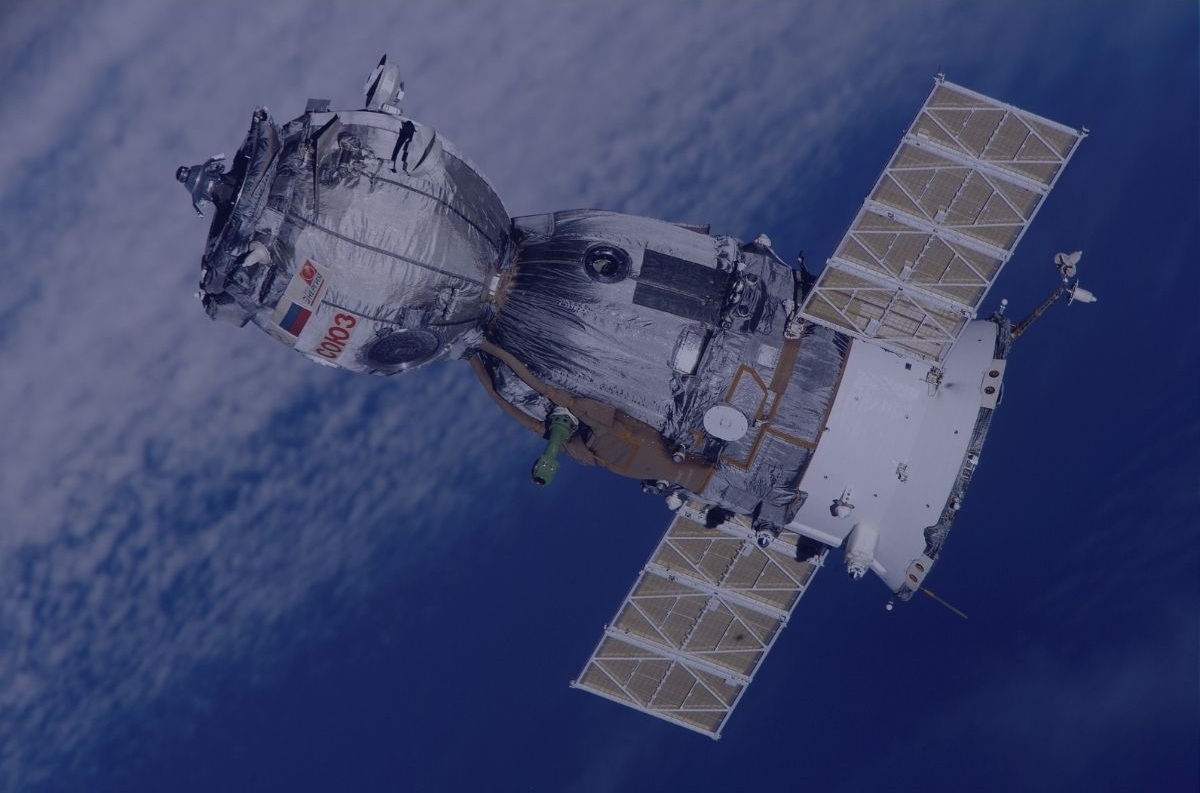
Public services are already reliant on space
A recurring theme throughout the conversation is that space should increasingly be viewed as critical national infrastructure. Phil argues that many organisations still underestimate how dependent modern society has become on satellite technology, despite relying on it for communications, positioning, navigation and observation.
The discussion explores examples of where satellite-enabled services already support public services, and how that reliance is likely to grow in the years ahead. Rather than treating space as a specialist policy area, Alex, Sharon and Phil suggest it should be considered alongside other forms of national infrastructure that require long-term stewardship, resilience and investment.
What is space sustainability?
Having established why space matters on Earth, Alex asks Sharon what space sustainability actually means.
Sharon explains that Astroscale's mission is to create "a space environment that's sustainable, serviceable and resilient" through technologies including in-orbit servicing and debris removal. She describes Astroscale as "the AA in space" – helping satellites continue operating safely throughout their lives, extending their usefulness where possible, and reducing the amount of debris left in orbit.
As the number of satellites continues to grow, the conversation explores why designing, operating and maintaining them more sustainably has become increasingly important. Keeping the space environment resilient is no longer simply a challenge for the space sector – it is fundamental to protecting the infrastructure that public services increasingly depend upon.
Why is orbital debris becoming a bigger issue?
The discussion then turns to one of the biggest risks facing the space environment: orbital debris. Phil explains that The PSC has spent the last five years analysing the risks facing UK satellites, including the likelihood of collisions with debris or other spacecraft. As more satellites are launched into orbit, those risks continue to increase.
Rather than viewing debris removal as the first solution, Sharon argues that prevention should come first. Designing satellites so they can be serviced, upgraded or safely removed at the end of their operational life is a more sustainable approach than waiting until they become debris.
The conversation also explores why many satellites are still launched without features that would make future servicing or removal easier, and how changing those design decisions could significantly improve the long-term sustainability of the orbital environment.
How do we build a more sustainable space environment?
The conversation also examines the practical steps needed to improve space sustainability.
Alongside advances in debris removal, Sharon discusses the importance of designing satellites with servicing in mind, enabling repairs, upgrades and safe de-orbiting at the end of missions.
The discussion also considers regulation, insurance and the commercial incentives needed to encourage more sustainable behaviour across the sector. Rather than relying on a single technological solution, the speakers describe sustainability as requiring changes across satellite design, operations and international collaboration.
Throughout the episode, they return to the idea that space should be managed as a shared environment where long-term sustainability benefits everyone.
Looking ahead
Towards the end of the discussion, Alex asks what the future might look like. While the challenges associated with orbital debris and increasing satellite numbers are significant, both Sharon and Phil describe rapid progress in technology, regulation and international collaboration.
They also emphasise that this is only the beginning of a wider conversation. As Alex reflects, this episode forms the first in a series exploring how space and satellite technologies could help address challenges across health, education, the environment, crime and justice, and other public services.
Understanding how to keep space safe is therefore not only about protecting satellites. It is about ensuring the infrastructure that increasingly supports everyday life remains reliable for the future.
Listen to the full episode of The PSC in Conversation on your preferred podcast platform or watch on YouTube.
The PSC exists to make public services brilliant. In our new podcast mini-series, we're exploring whether space and satellite technology can solve some of the public sector's biggest challenges. If you want to discuss any topics explored in this series further, get in touch with Phil Buckley – we'd love to have a conversation.
Latest News & Insights
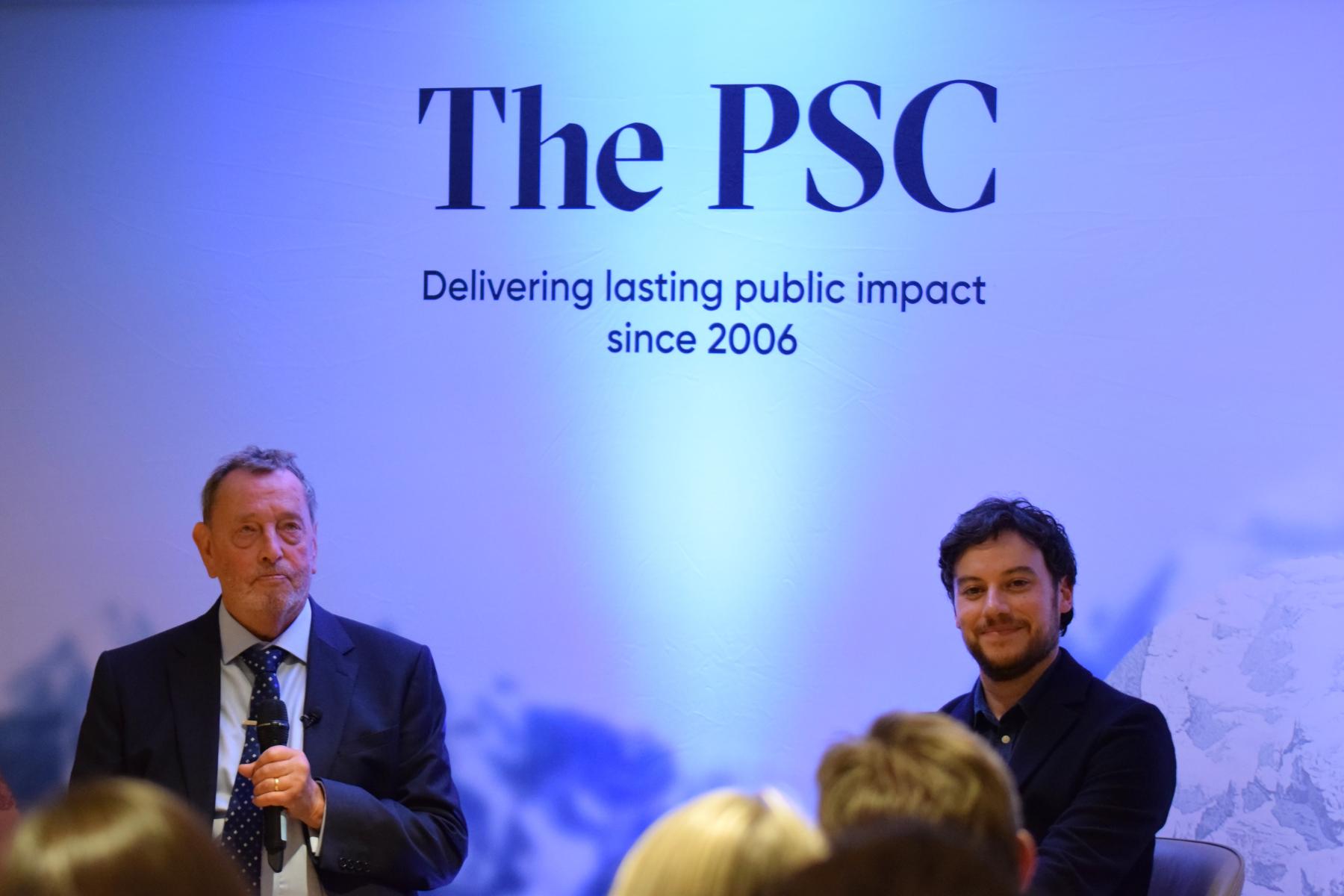
Building from the bottom up: Lord David Blunkett’s Kerslake Memorial Lecture
At our Third Kerslake Memorial Lecture, Lord David Blunkett explored devolution and the future of…
The PSC in Conversation: Turning health data and technology into better care
Caroline Cake, CEO and Co-Founder of Kneu Health and The PSC alumna, joins Antonio Weiss to discuss…

The PSC in Conversation: Putting people at the heart of their care: Patient editable access on the Universal Care Plan
Since patient editable access to London's Universal Care Plan launched through the NHS App,…