The Next 20: The Future of Community Care
Laura Churchill joins Eli Bond to explore the future of community care, neighbourhood health and left shift – from prevention and integration to the structural tensions, incentives and operational realities shaping care closer to home.
Community care is increasingly central to the future of the NHS – but it is also one of the most misunderstood parts of the system.
In this episode of The PSC in Conversation: The Next 20, Eli Bond speaks with Laura Churchill, Chief Strategy Officer at Central London Community Healthcare, about the changing role of community services and what it will take to make neighbourhood health a reality in practice.
Across the discussion, they explore prevention, left shift, integration, workforce pressures and the institutional barriers that can make community transformation difficult – while also reflecting on the enormous opportunity presented by care designed closer to people’s homes.

Community care is far broader than many people realise
Early in the conversation, Laura reflects on how community care is still often defined negatively – as “out of hospital care” – rather than understood on its own terms.
“But actually it’s so much more than that,” she explains. “Community care is special because it is really close to people’s homes. Sometimes it’s in people’s homes.”
Laura describes community care as fundamentally tied to prevention, independence and wellbeing, rather than simply treatment delivery. She also highlights the sheer breadth of services involved, from school nursing and diabetes services through to rehabilitation, virtual wards and urgent community response.
At CLCH alone, she notes, there are “105 community services”, each operating somewhere within local neighbourhoods and communities.
From fragmented services to neighbourhood health
Eli and Laura then explore how community care has changed over the past two decades.
Laura reflects that community services have historically been viewed as “fragmented”, “transactional” and focused on specialist interventions rather than holistic support. But growing demand, an ageing population and increasing levels of long-term conditions are driving a significant shift in approach.
A major part of that shift is the growing focus on neighbourhood health and left shift – concepts which both acknowledge can often feel difficult to define practically.
Laura describes how, even in the last two years, the conversation around community care has evolved rapidly, with much greater recognition that supporting people earlier and closer to home cannot simply mean relocating existing services. Instead, it requires genuinely redesigning care around communities and relationships.
The friction points behind neighbourhood health
One of the most striking parts of the discussion comes when Eli asks about the “friction points” holding neighbourhood health back.
Laura’s response goes directly to the structural tensions inside the system:
“We have a system that is run through institutions and the problems that we’re trying to fix are inherently community.”
She reflects on the difficulty of delivering community-focused outcomes through organisations that are individually accountable, funded and performance-managed. Single organisations, she argues, are rarely able to solve these challenges alone.
The conversation also explores the incentives embedded within the wider health and care system. Eli notes that “right drift is actually more rewarded than left shift”, with investment and recognition often still tied more closely to acute activity than prevention.
Laura agrees that aligning incentives remains one of the central challenges if neighbourhood health is to move from strategy into operational reality.
Designing care around people, not systems
Technology and digital transformation also feature prominently throughout the conversation, particularly in relation to virtual wards and integrated care.
But rather than framing technology as the solution in itself, Laura repeatedly returns to the importance of designing services around people’s lived experiences.
Reflecting on digital tools used in community settings, she highlights the importance of usability, integration and reducing burden for both clinicians and families. The conversation emphasises that transformation only succeeds when it genuinely improves how care is experienced day-to-day.
Community care as the future of the NHS
Throughout the episode, Laura makes the case that community care is no longer peripheral to the NHS – it is increasingly where many of the system’s biggest opportunities and challenges sit.
The discussion ultimately returns to a simple but powerful idea: if the future of health and care is about prevention, independence and supporting people to live well for longer, then community care cannot simply support the wider system – it has to help lead it.
The Next 20 is a celebration of 20 years of The PSC making public services brilliant. We're looking at lessons from the past, while also considering the biggest challenges in the next 20 months, and the biggest opportunities in the next 20 years. Explore our other episodes on your preferred podcast platform.
For more information about The PSC’s work across health and care transformation, neighbourhood health and community services, get in touch with Eli Bond and the team.
Latest News & Insights
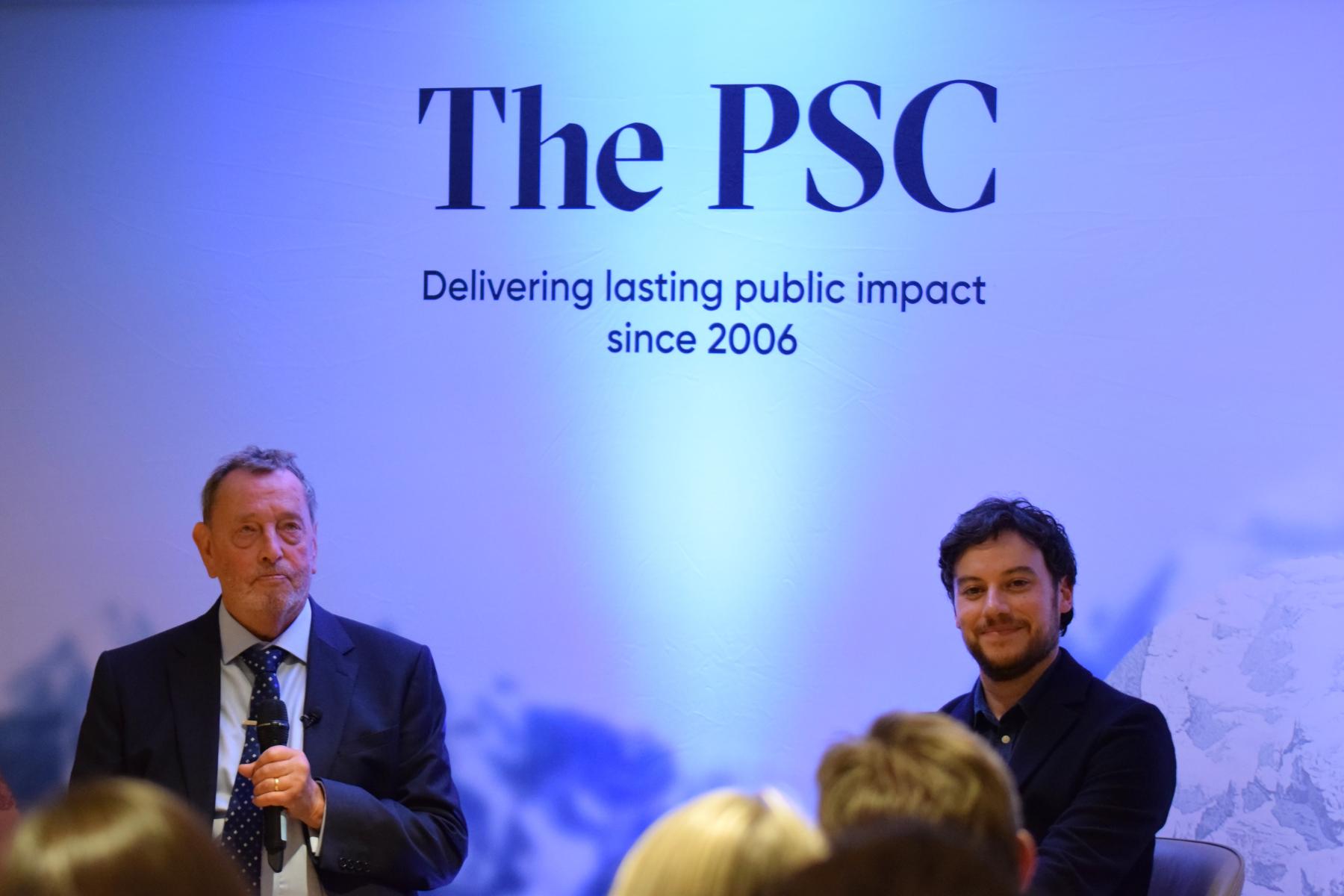
Building from the bottom up: Lord David Blunkett’s Kerslake Memorial Lecture
At our Third Kerslake Memorial Lecture, Lord David Blunkett explored devolution and the future of…
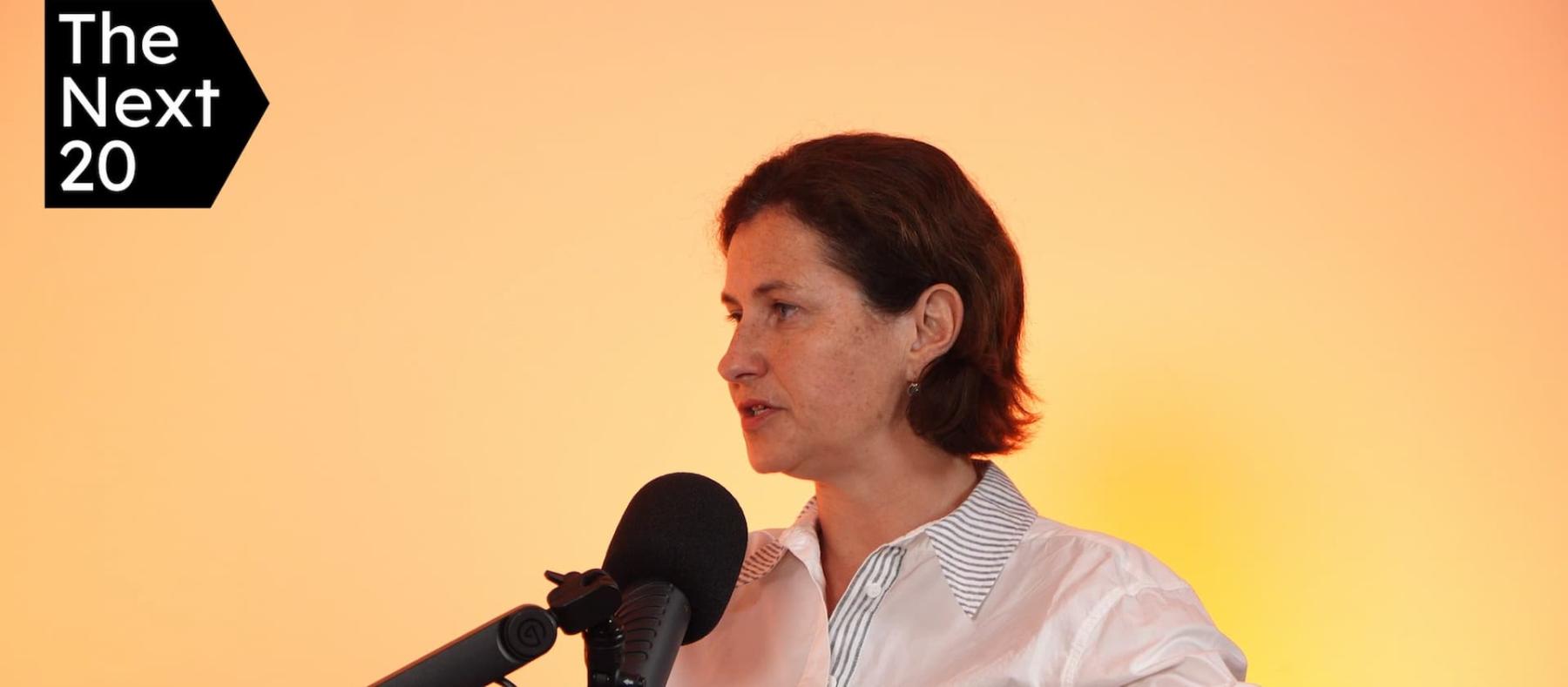
The PSC in Conversation: Turning health data and technology into better care
Caroline Cake, CEO and Co-Founder of Kneu Health and The PSC alumna, joins Antonio Weiss to discuss…

The PSC in Conversation: Putting people at the heart of their care: Patient editable access on the Universal Care Plan
Since patient editable access to London's Universal Care Plan launched through the NHS App,…