What Andy Burnham and Yvette Cooper could mean for the NHS
Why a Burnham premiership could shift the centre of gravity of UK healthcare towards social care, devolution, prevention and practical public value.
The appointment of Andy Burnham as Prime Minister and Yvette Cooper as Secretary of State for Health and Social Care has created a moment of uncertainty for NHS and care leaders. It is early and neither has yet set out a detailed NHS programme. However, their historic positions, records from previous roles and early appointment statements do signal some areas where emphasis may change.
This is unlikely to be a complete departure from the current NHS agenda. Key plans and policies, like the 10 Year Health Plan for England, the Health Bill, the National Cancer Plan and the Maternity and Neonatal Safety Improvement Programme, all remain live and neither Burnham or Cooper have signalled intentions to overhaul them. Still, much like Burnham’s approach to the Labour manifesto, there is scope for them to introduce new initiatives - most notably the possibility of National Care Service - and interpret, prioritise and implement existing ones differently.
In this blog, we will highlight five areas that stand out as possible areas of focus for the new Prime Minister and his new Secretary of State for Health and Social Care: social care, maternity safety, devolution, prevention and cancer. Technology, data and artificial intelligence (AI) are also likely to remain important, though probably through a more place-based and public-value-led lens.
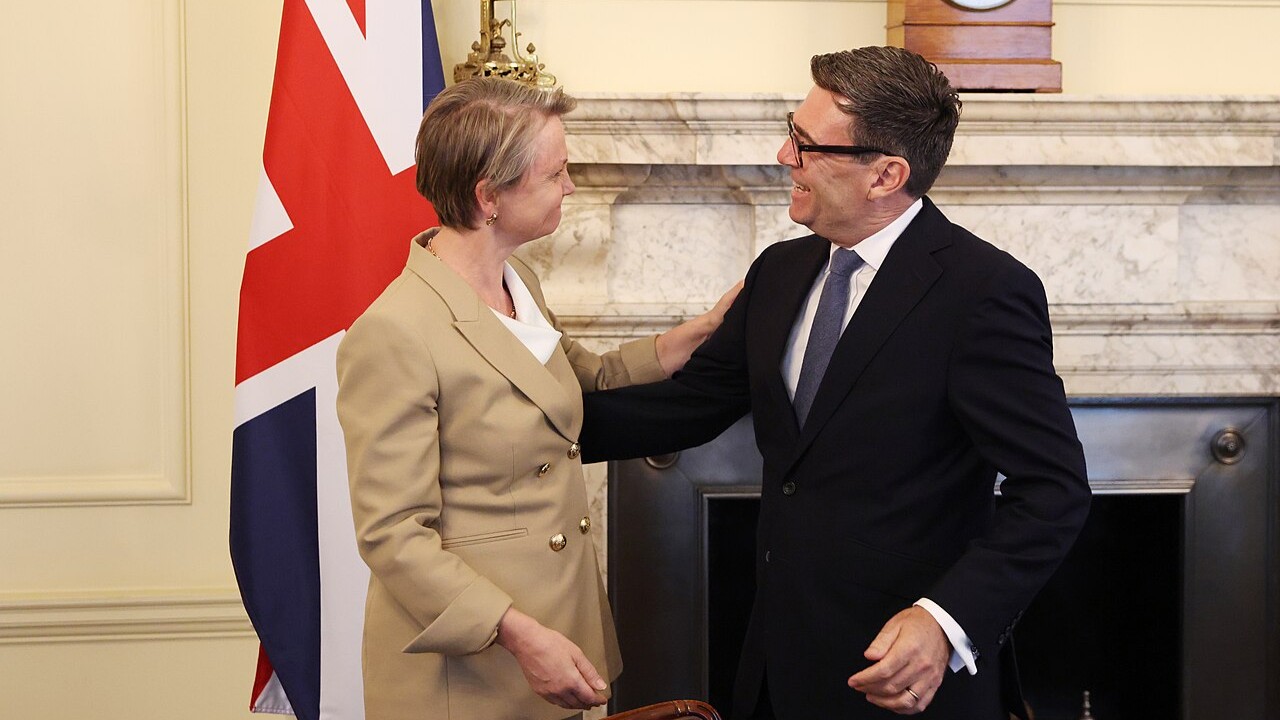
Image attribution: Number 10, OGL 3
Social care may move from unresolved problem to government priority
Adult social care is the clearest area where the political emphasis may change.
Cooper identified taking forward social care plans as one of her first priorities on appointment. She has previously supported integrating health and social care during the 2015 Labour leadership.
Burnham’s record points in the same direction. As Health Secretary in 2010, he published proposals for a National Care Service, built around universal entitlements, national standards, prevention and closer integration with the NHS. More recently, he has argued that social care should have equivalent status to the NHS and described the continued failure to resolve the issue as “not defensible”. He has also supported bringing forward the recommendations of the Casey Commission from 2028 and has previously proposed replacing inheritance tax with a broader national care levy on estates to fund reform.
While the government have not yet spelled out the specifics of what this will look like, recent reporting and a paper from a Burnham aligned think tank suggest that the creation of a National Care Service remains a credible destination. Achieving this would inherently require structural reform and a new funding settlement rather than just a short-term funding uplift.
If the government were to pursue the creation of a National Care Service, then its institutional model would likely be different from the one proposed in the 2010 white paper, which assumed assumed funding would remain overwhelmingly national. Although Burnham appeared to still be in favour of this model in 2015, warning that devolving Greater Manchester’s health budget could create a “Swiss cheese” and two-tier NHS, his experience as mayor has made him a prominent advocate of place-based health reform, more recently describing further devolution as a “landmark moment in a decade-long journey”. Therefore, health-and-care integration being accompanied by more integrated local commissioning, budgets and accountability feels like a credible direction.
For health and care leaders, the practical question is whether local systems are ready for a reform agenda that could combine:
- Stronger national entitlements and standards
- A more sustainable funding settlement
- More integrated local commissioning and budgets
- Clearer joint accountability across the NHS and local government
Maternity safety is likely to command immediate attention
Maternity and neonatal safety may be Cooper’s most immediate NHS delivery priority - and was the first priority she cited when announcing her appointment.
The Independent National Maternity and Neonatal Investigation, chaired by Baroness Amos, published its final report on 30th June 2026. It concluded that the system was not consistently delivering safe, high-quality and compassionate care, and highlighted failures to listen to women and families, alongside the need to embed anti-racist practice.
The government has committed to appointing the UK’s first statutory Maternity and Neonatal Commissioner. The commissioner will co-chair the National Maternity and Neonatal Taskforce with the Secretary of State for Health and Social Care - meaning Cooper will be personally associated with the programme - and will deliver a national action plan due in December 2026.
For NHS providers, this will likely raise the bar for maternity assurance. Boards will need to show that maternity improvement plans are implemented, resourced, owned by clinical and operational leaders, and producing sustained change for women, babies and families.
The biggest policy tension may be devolution versus central control
A particularly interesting strategic question is whether a Burnham government changes the balance between national control and local devolution.
The Health Bill introduced by then Health Secretary, Wes Streeting, in May 2026 will bring about substantial changes to NHS structures and accountability, including stronger ministerial powers. These changes include abolishing NHS England and transferring its functions to the Department of Health and Social Care, giving the Secretary of State stronger powers to direct Integrated Care Boards (ICBs) and intervene in NHS organisations, changing ICB governance, including introducing representation from mayoral strategic authorities, and abolishing Healthwatch England and local Healthwatch.
There are devolved elements in the Bill, including a role for mayoral strategic authorities in ICB governance – something Streeting credited Burnham for when announcing a pilot of the arrangements in Greater Manchester and South Yorkshire. But the overall direction also contains a strong centralising logic, something that sits uneasily with Burnham’s political record in Greater Manchester.
The King’s Fund has described Greater Manchester as a leading example of health devolution and population-health reform. The model pursued by the Greater Manchester Combined Authority has brought together health, social care, public health and wider public services under stronger local and regional leadership.
There are no signs that the government will amend the Health Bill or reverse its centralising elements; however, it is an open question whether Burnham and Cooper amend this inherited legislation or pursue a more devolved model within its existing mayoral and ICB provisions.
Prevention may become more practical and more cross-government
Both Cooper’s record and Burnham’s approach in Greater Manchester point towards a stronger focus on prevention and early intervention.
Cooper helped implement Sure Start as a junior health minister in the 1990s. Recent analysis by the Institute for Fiscal Studies found that Sure Start produced wide-ranging, long-lasting, and preventative health benefits. Cooper was also responsible for proposing a “Sure Start for teenagers”, which developed into the Young Futures Hubs programme in government.
Burnham’s Greater Manchester model emphasised population health and action beyond the NHS, including housing, employment and wider determinants of health, through approaches like its Live Well initiatives. This has also been cited a key area of investment by Jim O’Neil, one of Burnham’s economic advisors.
Cancer care may see particular political focus
Cooper also has a longstanding connection to the cancer agenda. She worked on the first NHS Cancer Plan as a junior health minister in 1999–2000 and has argued locally for changes to cancer research and delivery in Yorkshire, highlighting neighbourhood health centres, more GP appointments, brain-cancer research and hospice support.
The National Cancer Plan for England, published on 4th February 2026, is the first comprehensive national cancer plan since the one Cooper contributed to. It aims for 75% of people diagnosed with cancer in 2035 to be cancer-free or living well five years after diagnosis.
Given her history with cancer, something she highlighted in her announcement, we could well see particular focus on the plan’s implementation. That would put more pressure on the realism of local delivery plans, including diagnostic capacity, workforce, treatment pathways, inequalities, capital requirements and the assumptions behind trajectories.
Technology and AI are likely to stay important, but with a public-value test
Burnham and Cooper have not yet set out a detailed NHS-specific technology or AI policy – but their records suggest that digital, data and AI will remain part of the health and care agenda.
Greater Manchester, under Burnham, introduced a number of initiatives focussed on AI. The AI.GM framework sought to establish the city region as an AI demonstrator; its AI and Data Innovation Office focused on practical public-service challenges such as productivity, prevention and early intervention; and the AI Prevention Demonstrator is exploring how linked data and AI could identify people who may benefit from earlier, more coordinated support.
Cooper has also described the “extraordinary promise” of AI and robotics in life-saving healthcare, while emphasising risks around security, crime and social cohesion. Her record as Home Secretary points towards comfort with assertive technology adoption where there is a clear public purpose, but also towards safeguards, oversight and national coordination.
Recent changes to the machinery of government also signal a willingness to embrace innovation. While the implications for how these changes interface with the NHS have not yet been set-out, we would expect to see the delegation of technology and AI responsibilities to resemble the following:
- Overall AI strategy, public-sector adoption and AI security in the Cabinet Office.
- Digital foundations, transformation, inclusion and skills in a strengthened DCMS.
- Health-specific infrastructure, clinical applications and implementation within DHSC and the NHS.
Other reporting, indicates that the likely direction on AI, in particular, is continued adoption, but with a more explicit public-value test. Applied to healthcare, that would mean technology programmes will need to show which service problem they solve, how they support prevention or productivity, how they fit with local operating models, and how safeguards will maintain public legitimacy.
Learn More
The main message for leaders is not to wait for a fully formed national programme before acting.
The strongest signals point to a government that may place more weight on social care, maternity safety, prevention, devolution and cancer delivery, while continuing to support technology and AI where they solve defined public-service problems.
The PSC exists to make public services brilliant. If you’d like to discuss what a new national agenda could mean for your system, we’d welcome a conversation – please contact us at hello@thepsc.co.uk.
Latest News & Insights
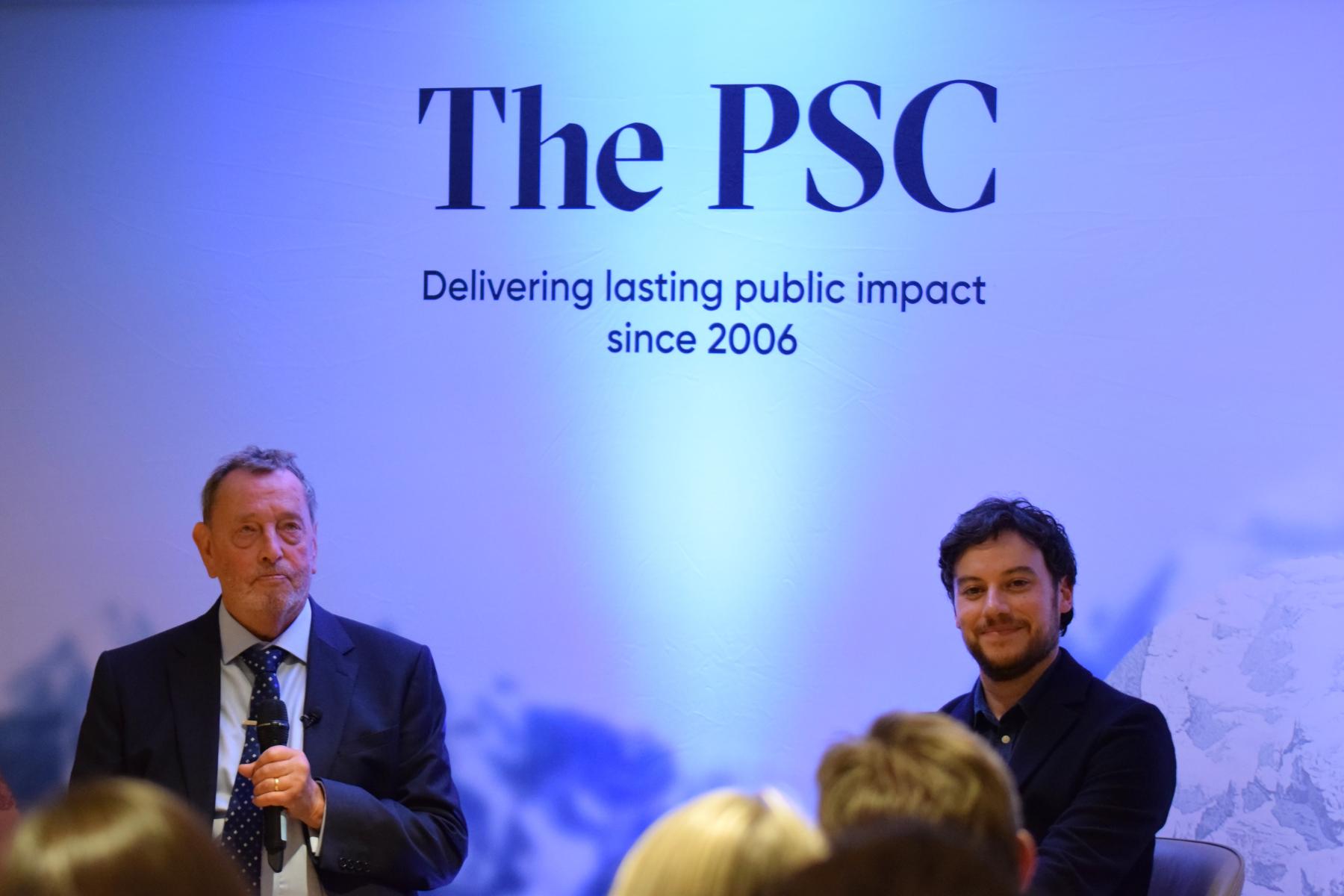
Building from the bottom up: Lord David Blunkett’s Kerslake Memorial Lecture
At our Third Kerslake Memorial Lecture, Lord David Blunkett explored devolution and the future of…
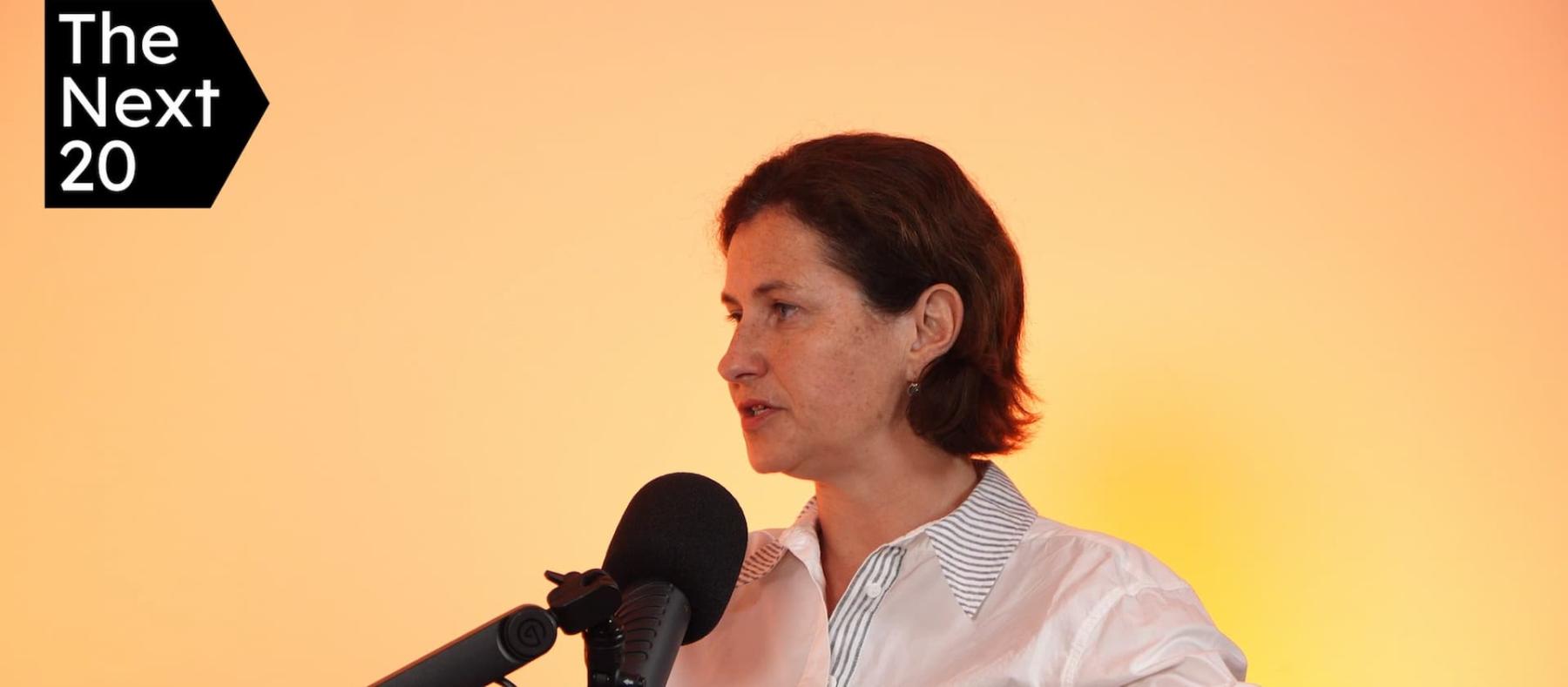
The PSC in Conversation: Turning health data and technology into better care
Caroline Cake, CEO and Co-Founder of Kneu Health and The PSC alumna, joins Antonio Weiss to discuss…

The PSC in Conversation: Putting people at the heart of their care: Patient editable access on the Universal Care Plan
Since patient editable access to London's Universal Care Plan launched through the NHS App,…