What does a shift to Single Patient rooms mean for NHS Trusts?
Our strategy team shares how to make the most of the move towards 100% single patient rooms under The NHS's New Hospitals Programme.
The NHS’s ‘New Hospitals Programme’ represents the biggest investment of capital in the health service in over a decade, and marks a shift to 100% single patient rooms. This means that NHS Trusts across the country will need to start planning and designing with single patient rooms in mind.
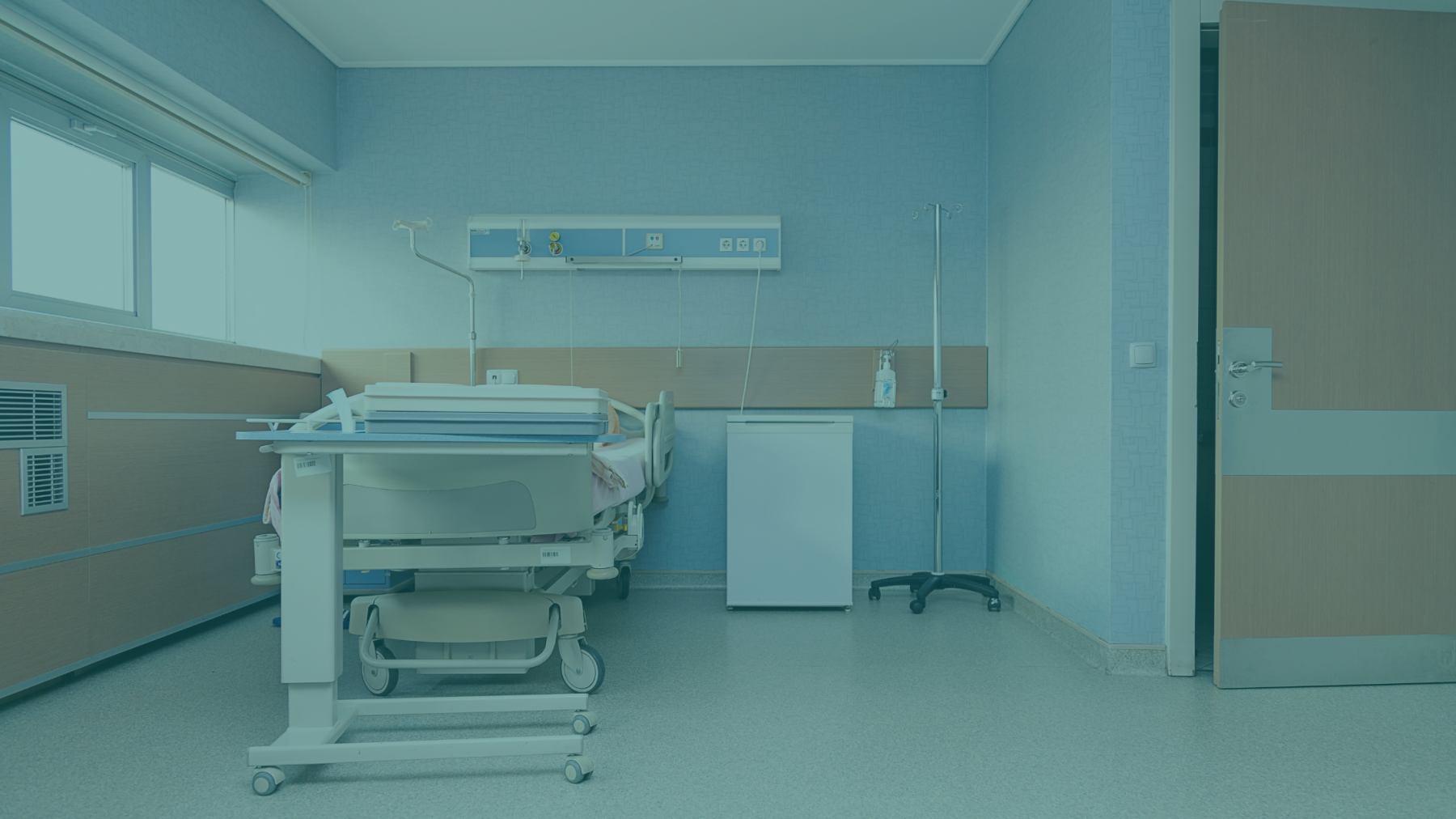
At The PSC, we recently had the opportunity to publish an article in the Health Estates Journal on single patient room hospitals, their benefits, challenges, and how to make them a reality.
View the full article in the Health Estates Journal here.
In the article we highlight some of the benefits of single patient rooms, such as improved patient outcomes, reduced risk of hospital-acquired infections, and increased flexibility for providers and note some of the challenges, including potential cost pressures and challenges in monitoring patients. We discuss the components of a successful transition to single patient rooms which maximises benefits and mitigates potential challenges including:
- User-centred planning, with expert input, to ensure that hospitals with single patient rooms are designed to address operational challenges upfront and promote patient socialisation.
- Redesigning ways of working and driving cultural and behavioural change to address staff concerns and promote teamwork and informal learning.
- Adopting digital solutions such as wearable technology to improve patient monitoring and experience, and to support staff.
In our experience, Trusts are more likely to consider these components if they have a structured delivery approach that involves a variety of perspectives at an early stage, learns from early adopters, and collaborates with the wider health system.
At The PSC, we have successfully worked with several NHS Trusts on infrastructure planning, including those in the New Hospitals Programme. We are excited to continue working with healthcare organisations to create and deliver innovative solutions that support better patient outcomes and deliver value for money.
We thank the Health Estates Journal for the opportunity to share our insights on single patient rooms in hospitals.
The PSC exists to make public services brilliant. We’re known for tackling the most complex challenges in the public sector, including an extensive track record in capital investment programmes. Speak to our team to find out more.
Authors: The PSC Built Environment Advisory Team (Samuel Rose, Nicole Samuel, Ellie Lane, and Joe Cruden).
Latest News & Insights.

Synthetic Research is Happening – Here’s What’s Out There
AI-powered synthetic research is moving fast. Here’s how public service…

The PSC and Parkinson’s UK Shortlisted for The 2026 HSJ Partnership Awards
Our Time-Critical Medications Dashboard has received recognition from The 2026…

Fit for the Future: Realising the ‘Left Shift’ from Hospital to Community
Insights from The PSC’s roundtable on community health, innovation and system…