How to get real value from AI
Our APPO process explained
From "look at this interesting thing" to "here's the value we're delivering, and here's how we know."

There's a trend we see again and again across organisations grappling with AI. It starts with pockets of genuine enthusiasm and pilots scattered across teams, but can quickly end up in a growing stack of use cases that nobody quite owns or a handful of people doing impressive things, while the rest of the organisation wonders what it all means for them.
In our experience, getting measurable, scalable, sustainable value from AI requires lightweight but effective central capability: what we call an AI Portfolio Programme Office, or APPO.
Done well, an APPO does six things:
1/ It aligns AI activity to organisational goals rather than individual enthusiasm.
2/ It allocates talent, budget and technology to where they'll have most impact
3/ It identifies and manages AI-specific risks (ethics, bias, compliance etc.) before they become problems.
4/ It accelerates the pipeline of high-value use cases from idea to implementation.
5/ It tracks whether things are actually working. And crucially,
6/ It creates the conditions for genuine collaboration across business units, so that good ideas spread rather than staying stuck in a silo.
Try our AI Readiness Self-Assessment Tool
It takes around five minutes. Your answers stay in your browser and produce a branded results report you can download and share.
Take The AssessmentWe know this works because we've done it
At The PSC, this is the approach we've applied with some of the world's leading public sector organisations, including governments at national level. We’ve seen confidence scores in AI increase by 17%, investment of millions and tracking for productivity benefits of 30 per cent.
It's also something we've applied internally so when we work with clients on their AI strategies we've been through the same journey: trialling tools, learning what sticks, measuring impact, building confidence across our team. The result is a tangible improvement in both capability and culture.
In government contexts, we've seen the APPO model help organisations move from fragmented experimentation to coordinated programmes. That translates to clear mandates, proper accountability, and measurable outcomes. The shift we're looking for is from "look at this interesting thing" to "here's the value we're delivering, and here's how we know."
Measuring progress isn't optional
We all know how important measurement is in theory but too often the first thing that gets deprioritised when teams are moving quickly. We think measurement is non negotiable for three reasons. First, it tells you what to scale and what to stop. Second, it builds the evidence base you need to maintain organisational confidence in leadership, in teams, with boards and beyond. Third, it grounds the conversation in public value, which is ultimately at the heart of everything we do.
KPIs for AI initiatives don't need to be exotic, indeed you can get a gread deal of value from the basics: time saved, decisions impacted, costs reduced or customer / citizen outcomes changed for example. The discipline is in defining them upfront, tracking them honestly, and being willing to learn from what they tell you.
Leadership unlocks everything
Technology doesn't change without culture, and we've found that in the real world that requires real leadership. While the APPO model gives you a fantastic structure, to bring it to life still requires real leadership. The organisations we see getting the most from AI are ones where leaders are genuinely engaged: asking questions, sharing what they're learning, creating psychological safety for people to experiment without fear of failure.
This is the final missing piece that turns AI from an interesting experiment into a capability that delivers value for citizens.
Take the first step
If you'd like to talk about how this approach could work in your organisation, get in touch with Digital Director Phil Buckley.
Contact UsLatest News & Insights
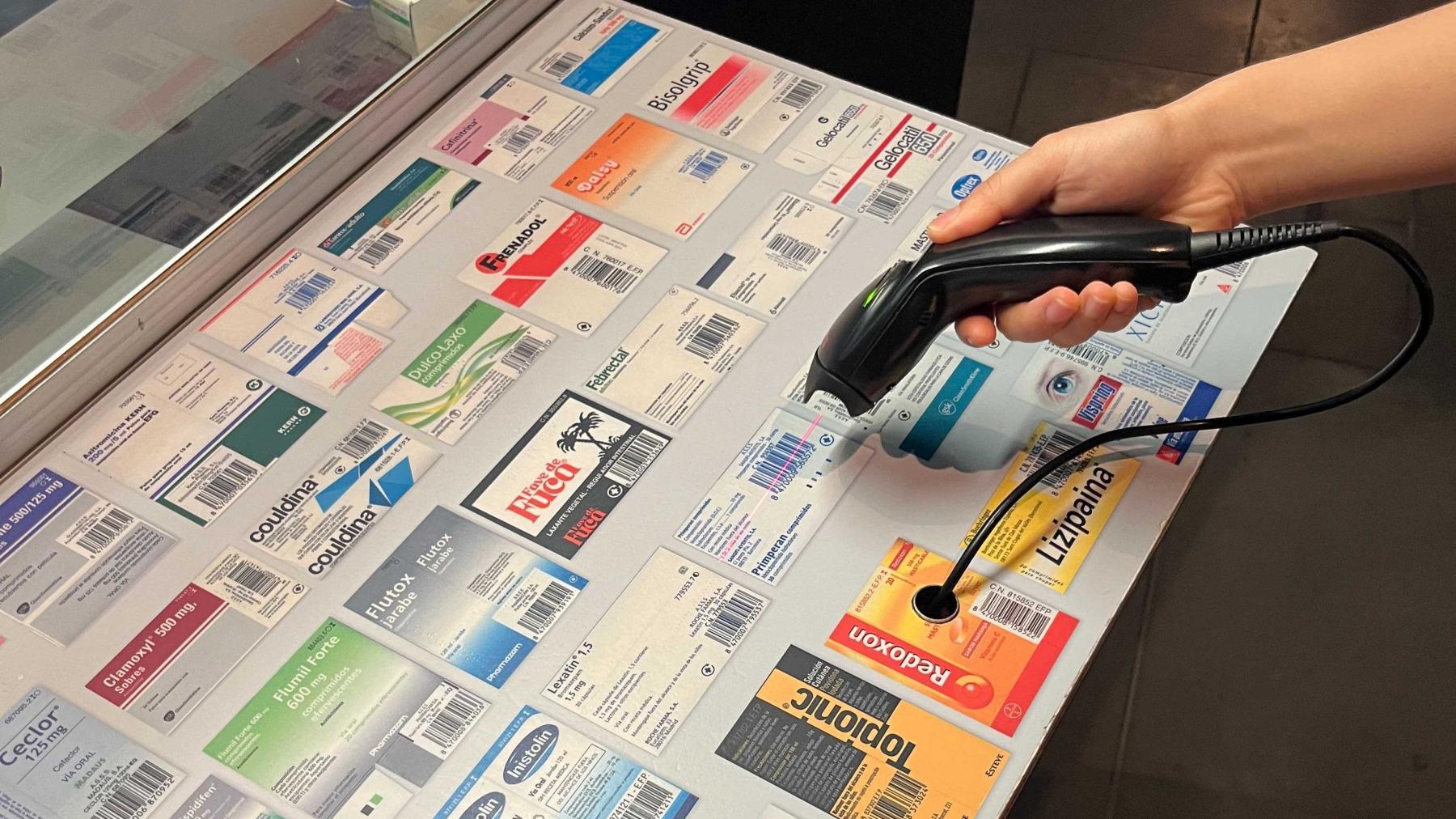
Scan4Safety: How scanning technology is improving patient safety and NHS productivity
Ten years after the launch of Scan4Safety, what can we learn about its impact on patient safety and…

Before the 2027/28 NHS planning guidance lands - how trusts and ICBs can strengthen their plans
Last year’s medium-term planning cycle moved quickly. We set out how trusts and ICBs can use the…

What does it take to deliver lasting change in the NHS?
Dame Amanda Pritchard joins Russell Cake to discuss leading change in the NHS, balancing today’s…