The Next 20: People, Culture and Productivity in the Public Sector - The PSC in Conversation
Juliana Simoes is joined by Associate Partner Eli Bond to discuss why investing in people and culture could be the key to solving the UK's productivity crisis, and what this could mean for public services in 20 years time.
Marking two decades on since The PSC was founded, our flagship 'The Next 20' series sees public services leaders join us to take stock on what they see as the challenges for public services in the next 20 months, and what they think are the big opportunities in the next 20 years. In our latest episode, Juliana Simoes is joined by Associate Partner Eli Bond to discuss the role that people and culture plays in delivering public services - and how the answer to the UK's productivity crisis isn't necessarily investing in more tech, but investing in people and skills. Read the summary of the episode below and watch the full episode over on our podcast channel.

Challenging the productivity narrative
Public sector productivity is often discussed in negative terms, with headlines focusing on disengagement, “quiet quitting” or declining performance. But the research tells a very different story.
As Eli explains, people remain just as committed to doing a good job as they have always been – particularly those working in public services, where motivation is often driven by meaning and impact. When organisations see negative behaviours, these should be understood as symptoms of deeper cultural or systemic issues, rather than a lack of effort or commitment from individuals.
This distinction matters. Treating behaviour as the problem risks reinforcing blame and disengagement; treating it as a signal opens up space for curiosity, learning and change.
Rethinking leadership
One of the most significant shifts highlighted in the conversation is how leadership itself is evolving. Traditional “superhero” models of leadership – where leaders are expected to have all the answers and provide certainty at all times – are increasingly unsustainable.
Instead, research points to the importance of leaders who create the conditions for teams to perform: leaders who are curious, open about uncertainty, and focused on getting it right rather than being right. This requires greater vulnerability and trust, but it also unlocks collective intelligence and resilience.
From compliance to commitment
Alongside this shift in leadership is a broader cultural transition from compliance-based models to commitment-based cultures.
Compliance cultures rely on hierarchy and instruction: people do what they are told because they have to. While this can be necessary in moments of crisis, it is rarely sustainable over the long term. Commitment cultures, by contrast, are built around shared purpose. People understand how their work contributes to a bigger goal and actively want to be part of achieving it.
This shift is particularly important in complex public service systems, where collaboration, adaptability and learning are essential.
Psychological safety and performance
The conversation also explores the growing evidence around psychological safety – the belief that it is safe to speak up with ideas, questions, concerns or mistakes without fear of blame or humiliation.
Psychological safety is not about lowering standards. In fact, research consistently shows it is a foundation for high performance, innovation and learning. Teams that feel safe to surface problems early are better equipped to improve, adapt and deliver better outcomes.
Critically, Eli highlights how chronic stress undermines this dynamic. When people are operating from a constant sense of threat, creativity and problem-solving suffer. Creating environments where people feel supported and trusted is therefore not a “nice to have”, but central to performance.
Investing in people to improve productivity
While national productivity debates often focus on technology, infrastructure and digital investment, Eli makes a strong case that people and skills are being overlooked.
Improving management capability, collaboration skills and psychological safety is essential if organisations are to adapt to rapid change – including advances in AI and data. As roles continue to evolve, the ability to learn, coach, mentor and support others will become even more valuable.
With a significant proportion of the UK workforce employed in public services, the opportunity is substantial. Investing in professional fulfilment, meaning and joy at work is not just about improving internal outcomes – it has the potential to contribute to improved productivity and better outcomes for the communities public services exist to serve.
The PSC has been delivering lasting public impact since 2006. Interested in how improving psychological safety and investing in culture & skills can drive morale and productivity in your team? Get in touch with our Associate Partner and high performing teams expert, Eli Bond elanor.bond@thepsc.co.uk
Latest News & Insights

The PSC in Conversation: Turning health data and technology into better care
Caroline Cake, CEO and Co-Founder of Kneu Health and The PSC alumna, joins Antonio Weiss to discuss…

The PSC in Conversation: Putting people at the heart of their care: Patient editable access on the Universal Care Plan
Since patient editable access to London's Universal Care Plan launched through the NHS App,…
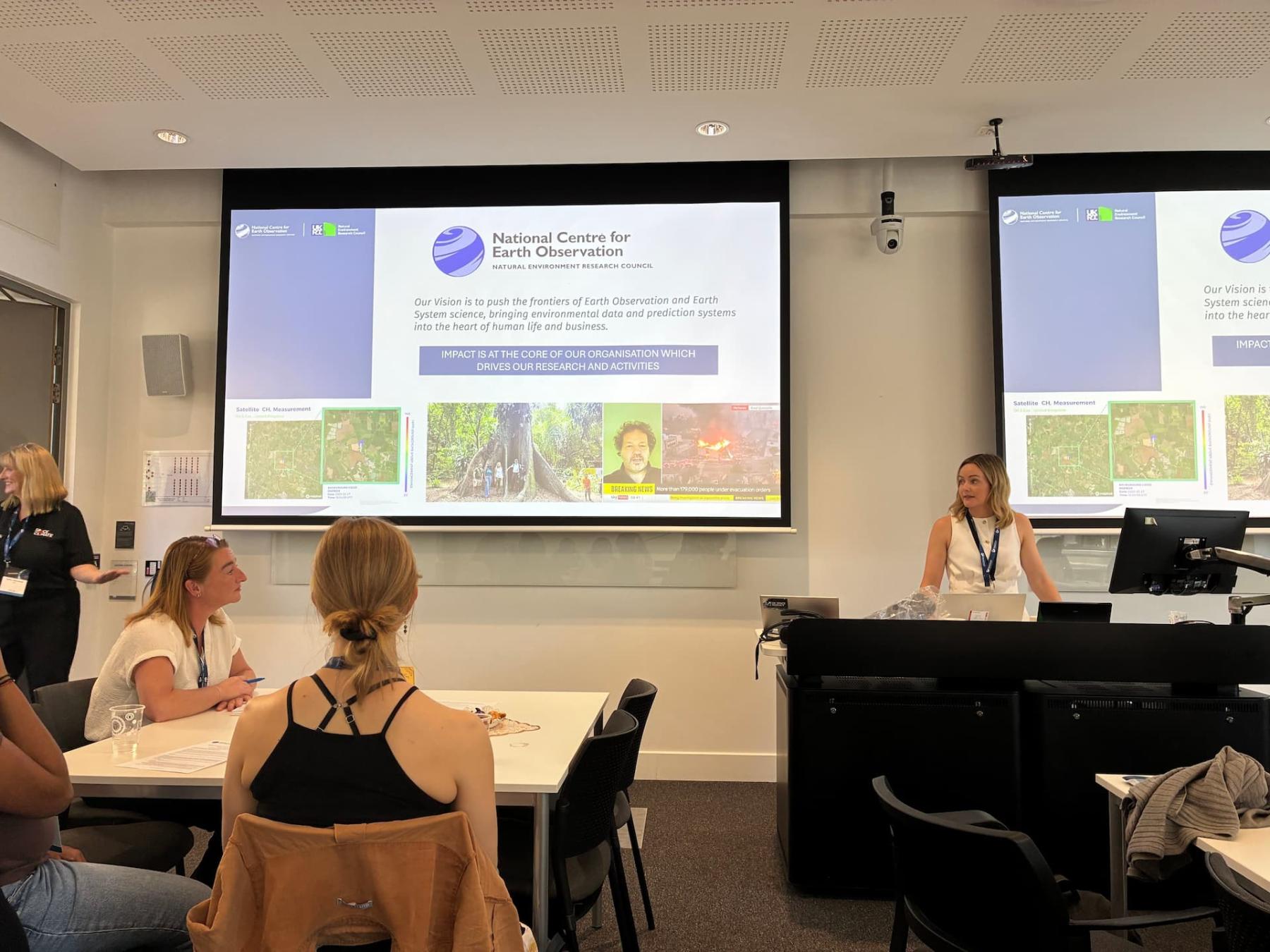
What we heard at the UK Earth Observations Conference: from data supply to use
Insights from the UK Earth Observation Conference on a sector rich in data – and the challenge of…