17/07/2020
Transformation
COVID-19’s unintended revolution in emergency care
With large numbers of patients expected to return to hospital in the coming weeks, the NHS must consider some revolutionary approaches to infection control in hospital emergency care. In a series of articles, we’ll consider what this could look like.
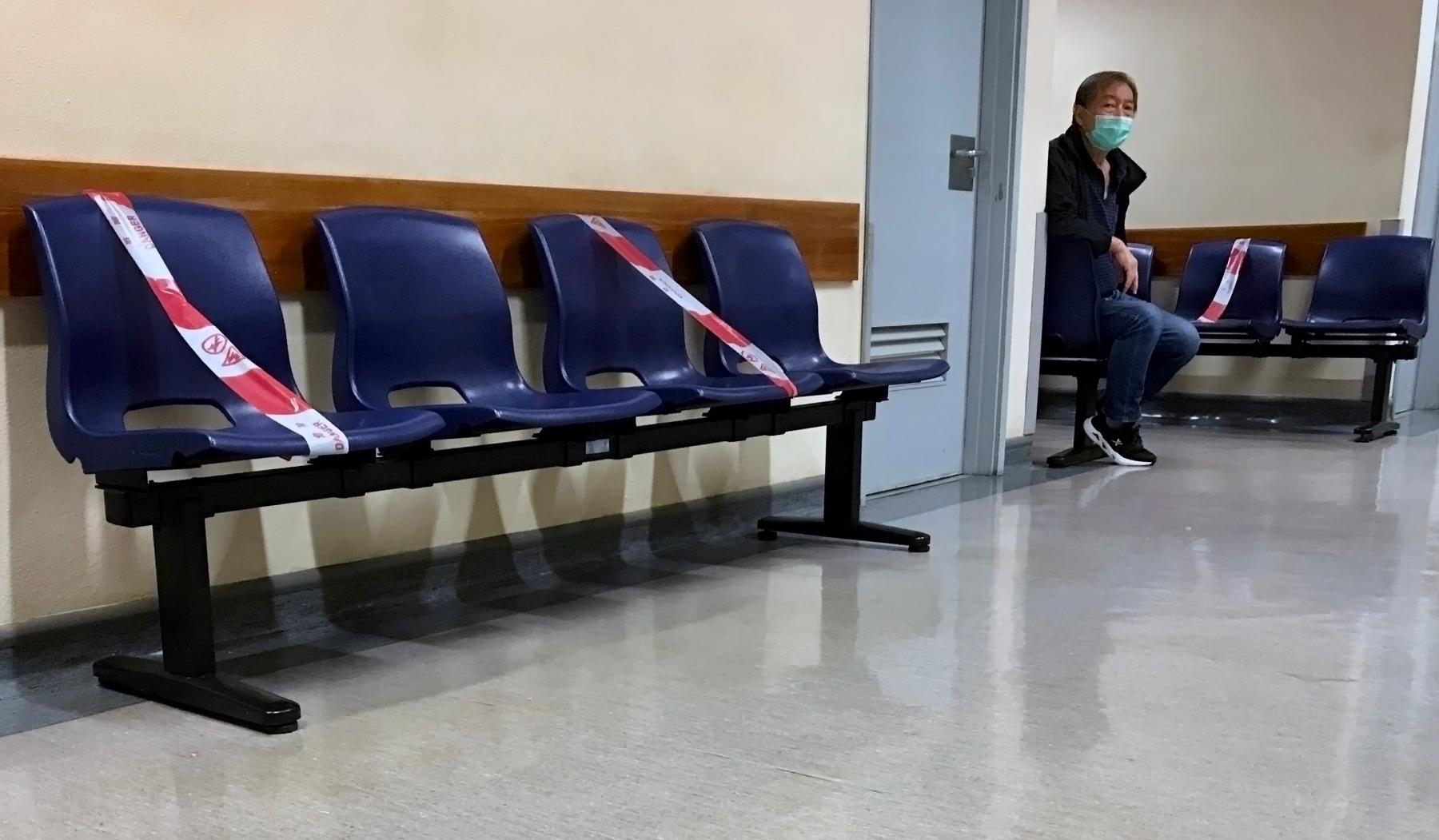
As COVID-19 became a horrifying reality, emergency departments (EDs) across the UK have quickly adapted how they care for patients. Waiting rooms must conform to social distancing. Staff need protecting with PPE. Patients with COVID-19 must be physically separated from other patients. Essential equipment like CT scanners must be deep cleaned after each use.
Until recently, a significant decrease in the number of people going to ED meant that waiting rooms were no longer crowded, and departments coped well in very difficult circumstances.
But EDs will become busier again. And the risks posed by an overcrowded waiting room and department are enormous. We need a better way of delivering emergency care because infectious diseases are not new, and they’re not going away.
This is not a new risk
COVID-19 has made infection control mainstream. Via social media, celebrities taught us how to wash our hands. Fashion brands launched a Summer2020 range of face coverings. Politicians preached social distancing, enacted through awkward elbow bumps. And the campaign, catch your sneeze in a tissue – don’t we all do this anyway?!
Well, no. In fact, for years we have not been maintaining good practice. This was especially true in EDs. Often overcrowded with unwell patients, these departments have been left on the front line of infectious diseases for years.
And our article on flu outbreaks in care homes demonstrates how lethal cross-infections can be.
COVID or no COVID, we need a new way
While we remain occupied by COVID-19, data published by the ONS shows that, in the last full week of June (week ending 26 June) more people died from flu and non-COVID-19 related pneumonia than COVID-19 [Source: ONS]. So any success we have had in reducing the spread of COVID-19 in ED needs to be sustained to do the same for other infectious diseases, like flu.
And the benefits of re-thinking emergency care go beyond reducing the spread of infectious diseases. Overcrowding in ED leads to patients being cared for in hallways, ambulances backing up and overworked, exhausted staff.
So what can the NHS do? In a series of articles, we’ll explore:
- Innovative international models for Urgent and Emergency Care
- What future care models could look like in the NHS
- Perspectives from the ED front line
The pandemic continues to rapidly change our approach to healthcare. Converting a revolution into long-term change is the goal.
Authors: Roz Hawley and Mikoto Nakajima
Latest News & Insights.

The Neighbourhood Health Framework: what it means for systems and leaders
The Neighbourhood Health Framework explained – key goals, delivery models and…

The Next 20: Bringing mental health care closer to home
In this episode of The PSC in Conversation, Harris Lorie and Mikoto Nakajima…

Improving sickle cell care: from breakthrough treatments to better coordination
As advances in treatment offer new hope for curative treatment, the Universal…